EULECTIONS’19 has developed an online course about EU’s history, its institutions and the instruments available for citizens’participation. Check the programme.
EULECTIONS’19 has developed an online course about EU’s history, its institutions and the instruments available for citizens’participation. Check the programme.
Ana Isabel Xavier, CEI-Iscte’s researcher and EULECTIONS’19 coordinator, participated in the ‘Webinar Parlameter 2020: What Europeans think about Europe?’. An event organized by the European Parliament’s office in Portugal, where the data from Parlameter (2020) – an annual Eurobarometer survey that monitors the public opinion on the European Parliament and the EU – were presented and discussed.
Due to the current context, Ana Isabel Xavier highlighted the importance of 2020 edition of Parlameter. It was with some anticipation that this assessment of European citizens regarding the public image and the role of the European Parliament was expected. As well as their feelings towards European identity and citizenship and the hierarchization of policies and values within the European project. In Xavier’s words, the changes that took place since January 2020, namely the generalized focus on national and European responses to Covid-19, the Brexit process already underway, and the new US administration, have demonstrated the importance of the European project in times of instability and uncertainty.
The rest of the intervention was divided into five major points, where different indicators were introduced by the researcher. Among others, Xavier developed some considerations on data that demonstrate a high expectation of European citizens towards EU’s social and economic response to the pandemic; but also spoke about the improvement of respondents’ attitude towards EU’s institutional dimension, with an increase of ten percentage points compared to the 2019 edition.
The initiative on the Conference on the Future of Europe was approved by the Council of the European Union (EU), now under the Portuguese Presidency.
First announced in the end of 2019, this joint declaration of the Council, the European Parliament and the Commission aims to involve citizens in the debate on Europe’s future in the coming decade and beyond, including in the light of the COVID-19 pandemic. In order to give citizens a stronger voice, a series of events will be organised by the three institutions, where citizens will have the opportunity to express their views on different issues and areas.
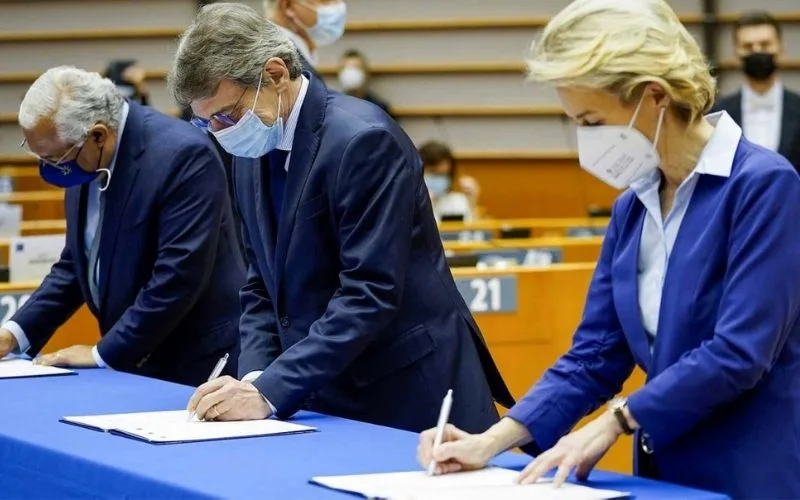
On 10 March, took place the signature of the joint declaration by the Presidents of the European Parliament (David Sassoli), the Council (António Costa) and the European Commission (Ursula Von der Leyen).
You can watch the signing ceremony here.
Photo source: Eudebates.tv
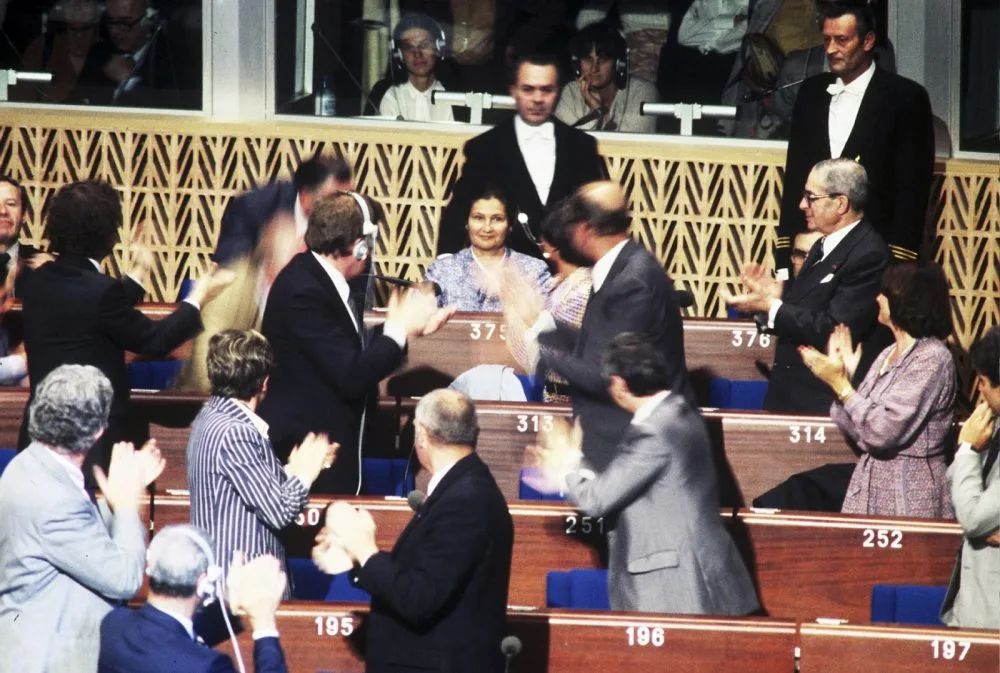
The next European elections, scheduled for 2024, will be the tenth time that European Union (EU) citizens will be able to cast their votes to choose the Members of the European Parliament (MEPs).
The elections for the EP take place every five years and are the largest transnational elections in the world, with over 400 million voters spread across the current 27 member states.
But how did they start?
The road to the first direct European election in 1979 was a long one. Since 1952, with the foundation of the predecessor to the current EP, the Parliamentary Assembly of the European Coal and Steel Community (ECSC), and with its political authority to represent citizens “within the newly developing supranational political system of European integration, it seemed self-evident that it should be directly elected”. Direct elections were foreseen as an option both in the Treaty of Paris (1951), which created the ECSC, and in the Treaty of Rome (1957), which founded the European Economic Community (EEC). Nevertheless, until the introduction of direct elections, the Members of the European Parliament, renamed in 1962, “were appointed by each of the Member States’ national parliaments”, at a time when Members had a dual mandate.
In September 1976, 16 years after the first proposal for European elections, the Council of Ministers issued an Electoral Act “concerning the election of the Members of the European Parliament by direct universal suffrage” (Salm, 2019). Despite the initial plan that elections would take place in 1978, the act had to be rectified by all Member States, and it was not until June 1979 that the first elections took place (Box, 2021). For the first time, the then 180 million European citizens, had the opportunity to vote on their representatives. Former German Chancellor, Willy Brandt, the leader of the Italian Communist Party, Enrico Berlinguer, and the former French Minister of Health, Simone Veil, were some of the high-ranking politicians that stood for election (Salm, 2019).
With a turnout around 63%, in a universe of 410 parliamentary seats, divided among nine Member States, the election led to the formation of seven political groups. In the beginning of the 1979-1984 legislative period, Socialist Group had the most seats (112 seats, 27,32%), closely followed by the Group of the European People’s Party (108 seats, 26,34%). Simone Veil, a Jewish survivor of the Nazi concentration camps, become “the first President of the first directly elected European Parliament”, constituting as a “symbolic stand against the nationalism that was one of the causes of the First and Second World Wars” (Salm, 2019).
References
Salm, C. (2019). European elections: A historical perspective. European Parliamentary Research Service
Box, U. (2021). The European Parliament: Historical Background. Fact Sheets on the European Union
Europarl (2019). European Parliament: 1979-1984 – Constitutive session. https://www.europarl.europa.eu/election-results-2019/en/european-results/1979-1984/constitutive-session/
Photo “First direct European Elections 1979” via Europal
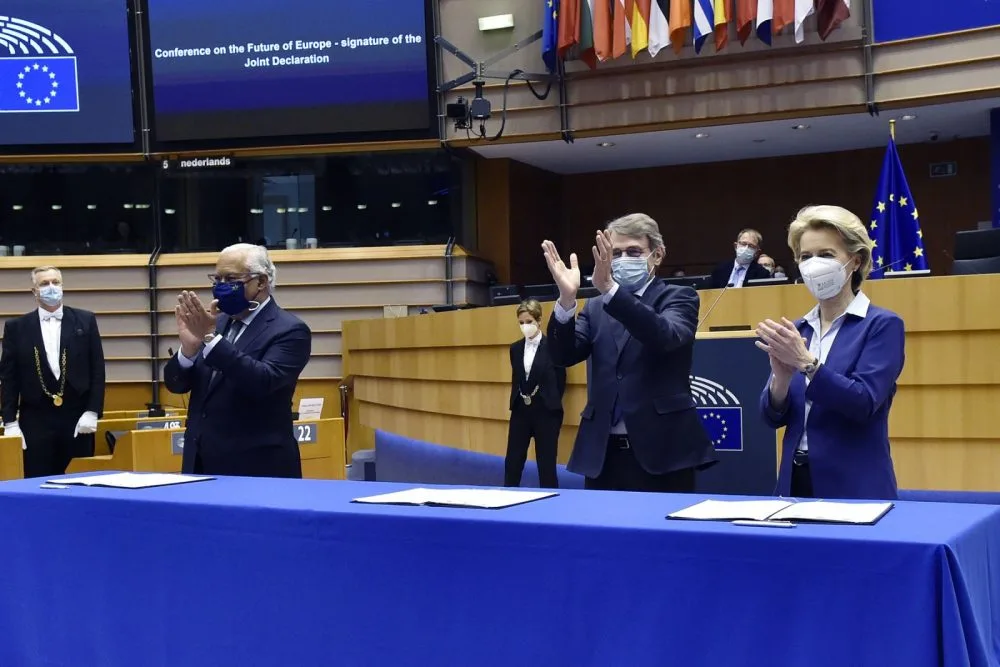
After the signature of the joint declaration on 10 March, the work on the Conference on the Future of Europe has officially started. The Executive Board of the Conference on the Future of Europe, composed of representatives from the three institutions (European Parliament, Council and Commission), held its constitutive meeting on 24 March in Brussels.
As the Commission’s statement reads: “In this first meeting, the Executive Board agreed on a series of essential items needed to get the Conference started. They took the first steps to ensure that citizens can soon start to contribute to the Conference without delay, in particular on the multilingual Digital Platform, including the Charter for citizen’s participation and the visual identity.”.
As for next steps, the Executive Board will convene again on 7 April in the European Parliament and the Digital Platform will be launched on 19 April.
Read more about it here.
Photo via Europarl
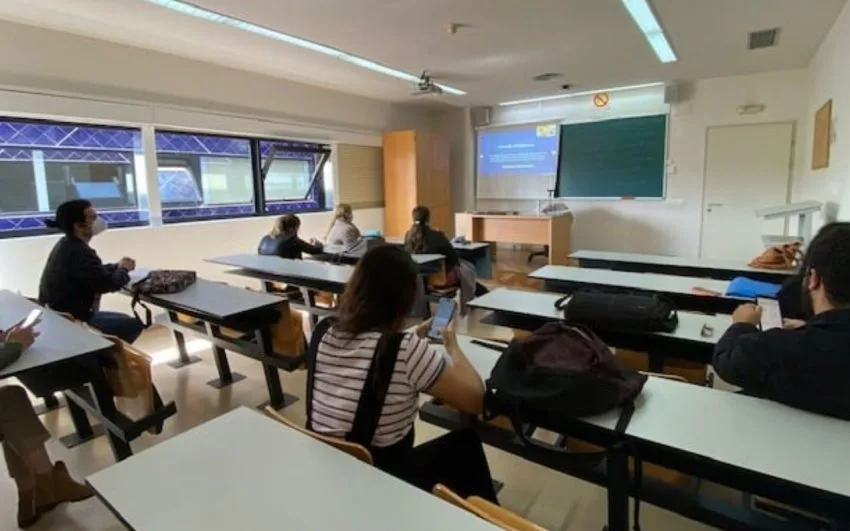
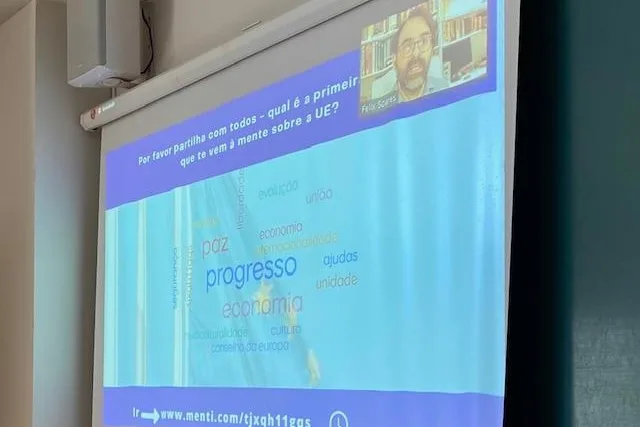
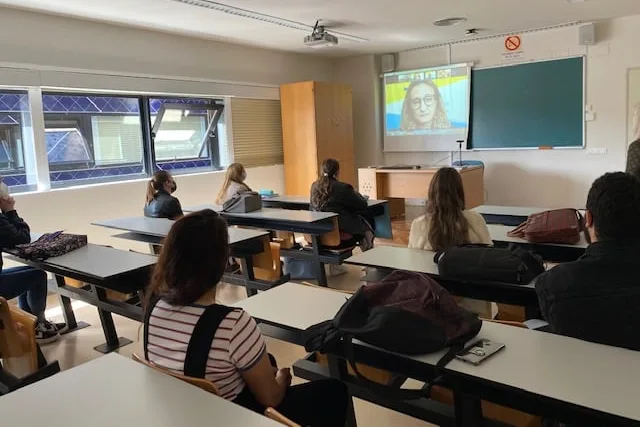
On 12 April, the workshop “Five Scenarios for the Future of Europe” was promoted in collaboration with Camões I.P. and the University of Extremadura. This workshop was organized after an invitation from a Professor and a class of students of Portuguese language at the University of Extremadura. The event involved 14 citizens, including 9 participants from the city of Badajoz, Extremadura, Spain, and 5 participants from the city of Lisbon, Portugal, having been an extra dissemination event. This hybrid workshop was conducted in a mixed format as part of the group was gathered in person at the university classroom at Extremadura and another part was online from Portugal.
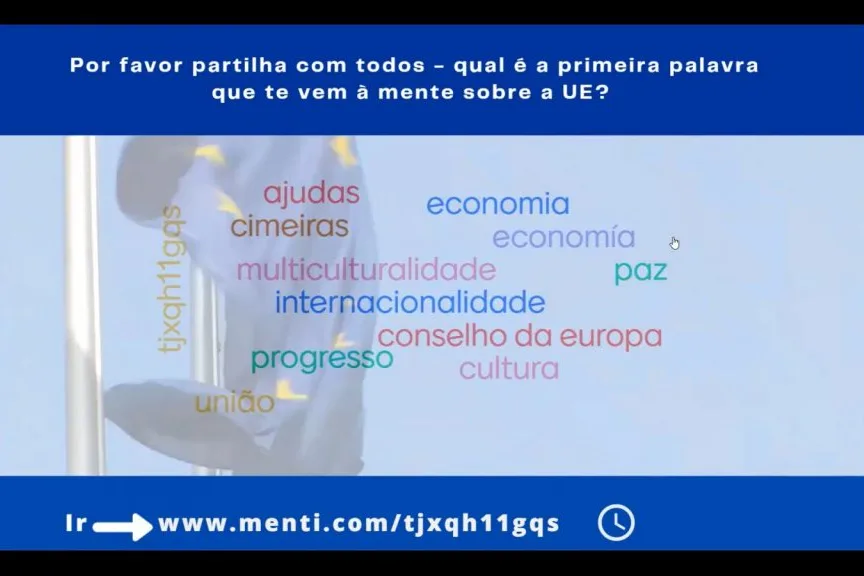
The session started with a brief project presentation by the project partners and an overview of the workshop goals. The first activity was the word cloud formed by the words students’ associate with the European Union. The word cloud included words like union, culture, peace, economy, summits, aid, progress, Council of Europe, multicultural. Following the word cloud we challenged students to test their knowledge about EU’s history through a quiz, introduced by a short video.
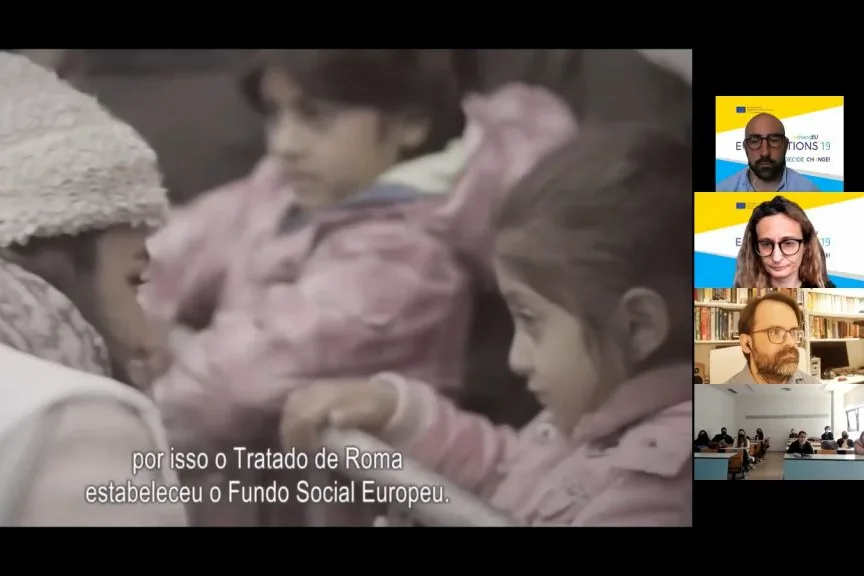
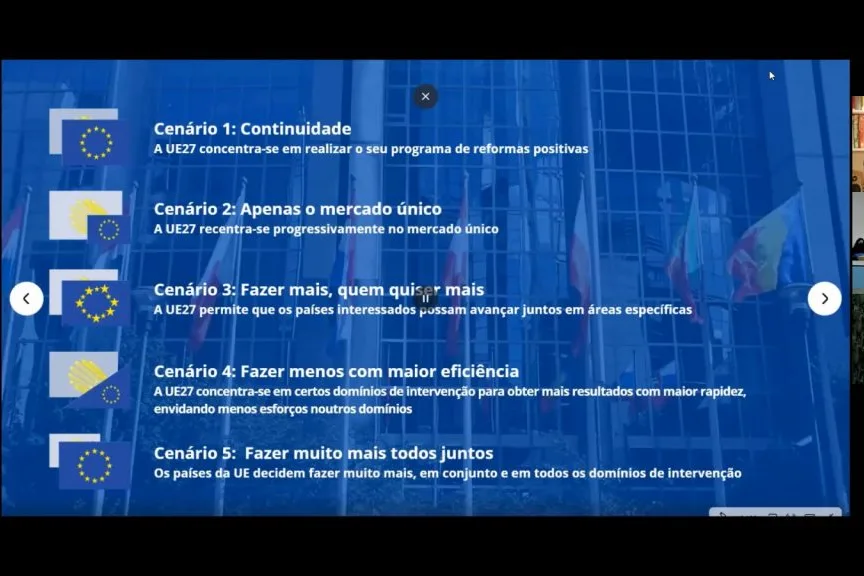
After the first two introductory activities, we moved to the key theme of the session, the present and the future of the European project. We’ve introduced the debate with a video and a short presentation with key information about the “White Paper on the Future of Europe – Five Scenarios”. Students were then invited to organize in small groups, choose one of the scenarios and debate its pros and cons, with support from the workshop facilitators.
After the discussion, the groups’ representatives shared their reflection about the scenarios for future of the EU. For one of the groups, scenario 5, represents the utopia they associate with the European Union but they also consider it to be very difficult to achieve as European countries have diverse historical and cultural backgrounds and socioeconomic conditions. This is, according to the group, a great challenge to a more ambitious political union able to do more in more areas. In this case, the group considered that its important to keep the support to the social movements fighting against all forms of discrimination.
Other group of participants considered that Europe could move forward at different speeds, allowing countries that want to do more, to do it. The group also identified some risks in this option, namely the power differential between richer and poorer countries that could block those who wish to do more.
For a third group, the scenario 4, to do more in specific policy fields, would be the most interesting as it would allow the EU institutions to be more efficient in key sectors like the environment and the digital transition, promoting initiatives to reduce emissions and protect citizens’ data privacy
After the group work we’ve proposed students to individually vote on their favourite scenario for the future of the European project.
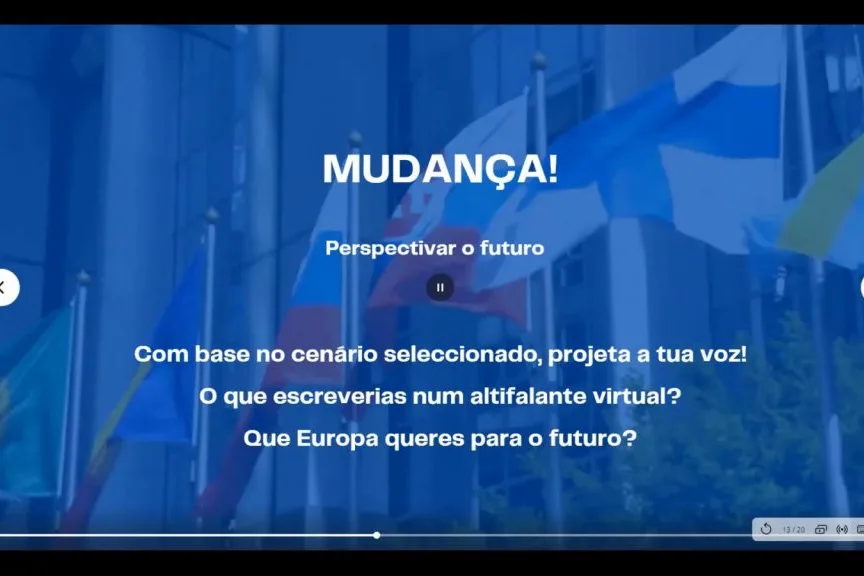
The next group of workshop activities were focused on the relationship between the EU and European citizens. Students were invited to present suggestions of ways to improve EU’s response to citizens’ needs, bring EU institutions closer to the people and also reflect on how citizens can contribute to the European project.
Participants highlighted the importance of greater economic equality in all European countries, improve citizens’ knowledge about EU’s activities, bring the EU institutions closer to citizens, promoting cultural development and mutual respect.
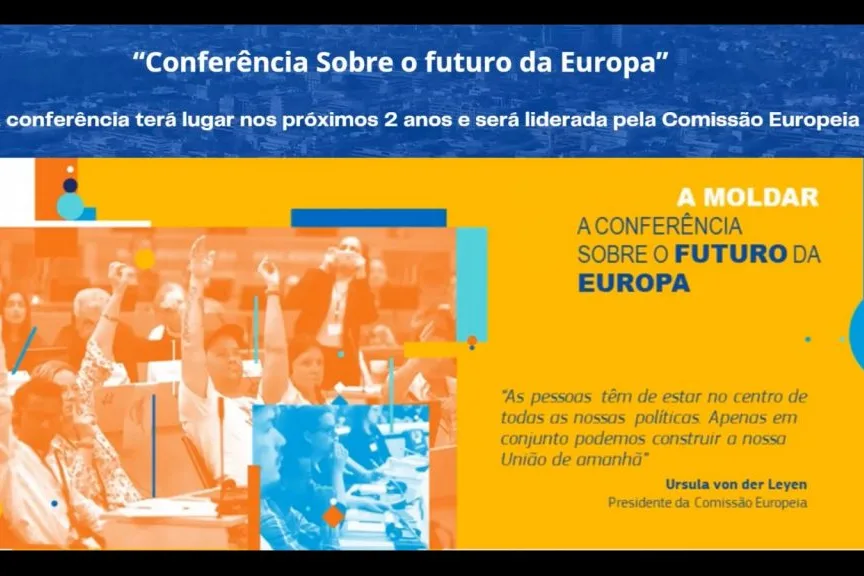
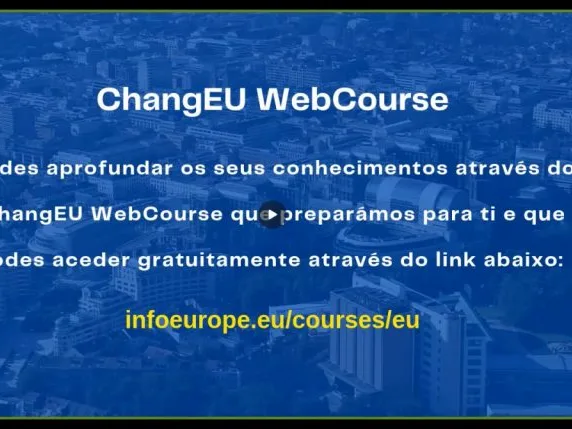
The third part of the session was focused on motivating participants to continue their involvement with European issues. With this purpose in mind we’ve presented two important EU initiatives, the European Citizens’ Initiative and the Conference on the Future of Europe, that aim to create spaces for European citizens to influence policies and reflect about the future of the European project. Considering the importance of an informed and active citizenship, students were also introduced to the e-learning training course on the European Union, ‘ChangeEU WebCourse’ that covers EU history, institutions and opportunities for citizens participation at the European level.
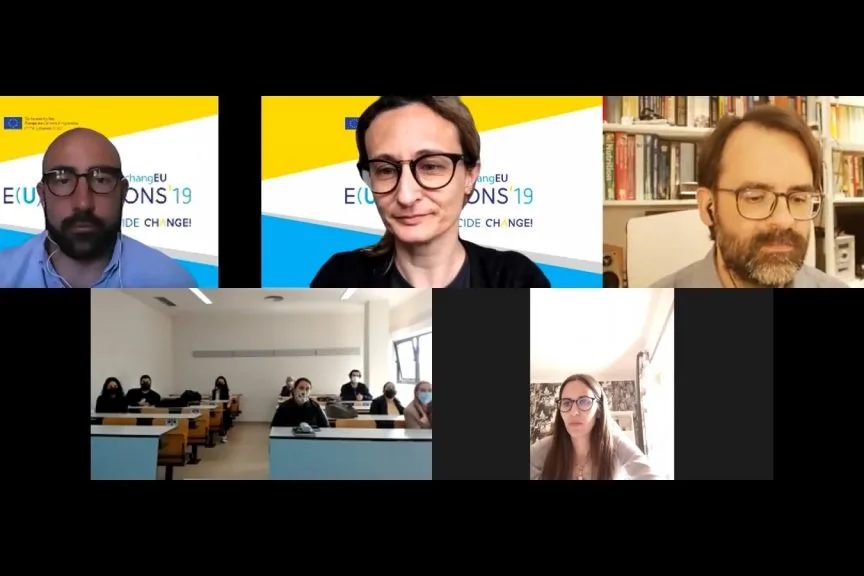
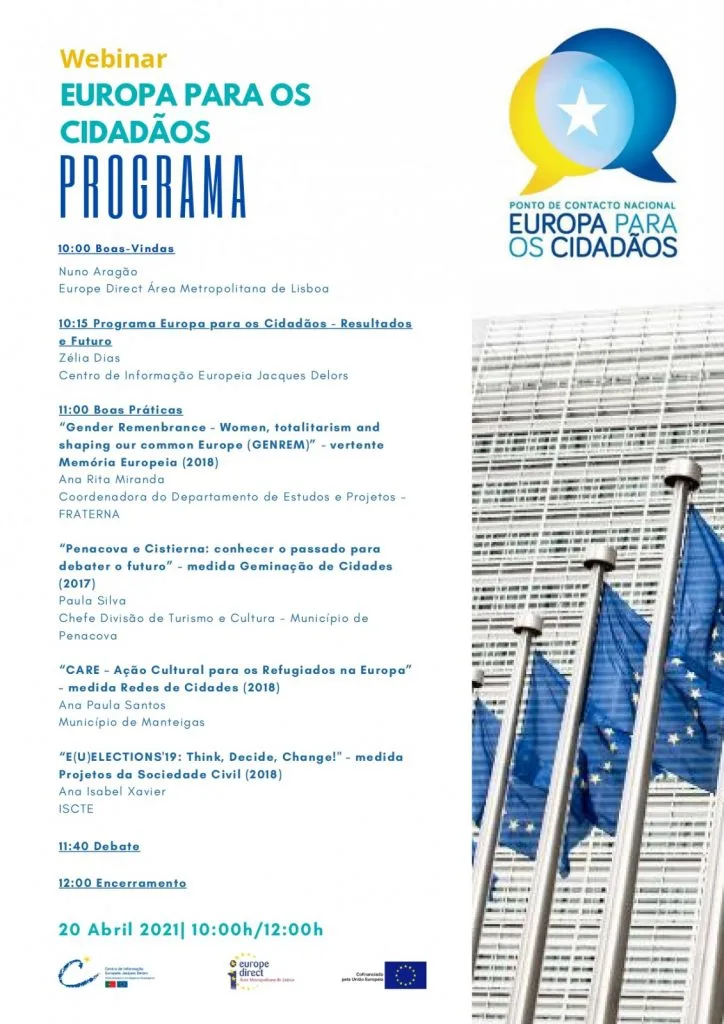
On 20 April (10am), Ana Isabel Xavier, CEI-Iscte’s researcher and EULECTIONS’19 coordinator, will participate in the Webinar: Europe for Citizens
In an initiative organised by Europe Direct from the Lisbon Metropolitan Area, in partnership with the Jacques Delors European Information Centre (Lisbon, Portugal), Ana Isabel Xavier will participate in the panel “Good Practices” (starting at 11am), to present the experience in the project “E(U)LECTIONS’19: Think, Decide, Change!”.
This event aims to inform about the implementation of the Europe for Citizens Programme and its perspectives for the future, presenting examples of good practices.
This initiative will take place in the Microsoft Teams platform.
The Digital Platform, in the framework of the Conference on the Future of Europe, was officially launched on 19 April.
After the last month was highlighted by the signing of the joint declaration (10/March) and the constitutive meeting (24/March) by the Executive Board of the initiative, it was time for the launch Digital Platform for the Conference on the Future of Europe . Available in 24 languages, the platform is presented as “the hub of the Conference on the Future of Europe”, where EU’s citizens have the “opportunity to speak up, to say what kind of Europe you want to live in, to help shape our future”.
As mentioned in the Commission’s press release, this tool is organized around “key topics: climate change and the environment; health; a stronger and fairer economy; social justice and jobs; EU in the world; values and rights, rule of law, security; digital transformation; European democracy; migration; and education, culture, youth and sport”; also complemented by “an ‘open box’ for cross-cutting and other topics”.
Know more about the Digital Platform here.
Photo via Europal
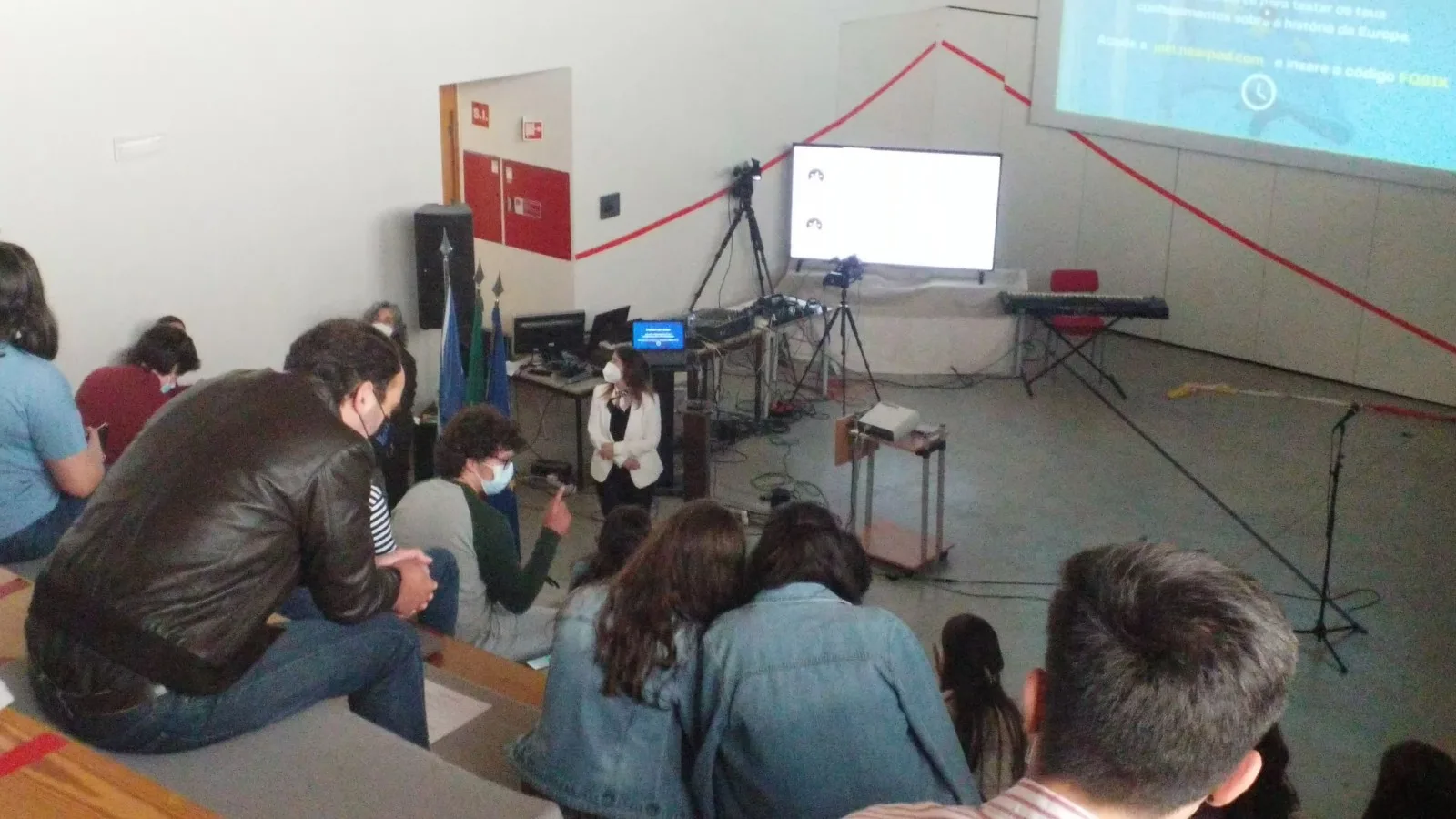
On May, 28, 2021, EULECTIONS’19 partners joined the Agrupamento de Escolas de Arouca (Arouca school group) and the Associação Círculo Cultura e Democracia ( Association Culture and Democracy Circle ) to debate Europe. The EULECTIONS’19 event was integrated in the programme of the initiative “A nossa voz na Europa” (Our voice in Europe) that involved various activities with students, teachers and members of the community. This was a hybrid event with a part of the participants online and the majority at the school’s auditorium, following the health and security protocols. The event involved 43 citizens from the city of Arouca, Portugal.
During the workshop preparatory activities, in collaboration with the coordinator teacher, students from secondary education classes were introduced to the project theme and to some key documents. This process allowed the group to have a greater familiarity with the questions to be debated during the session and hopefully motivated them to engage with European themes before the next European elections in which most of them will be first time voters.
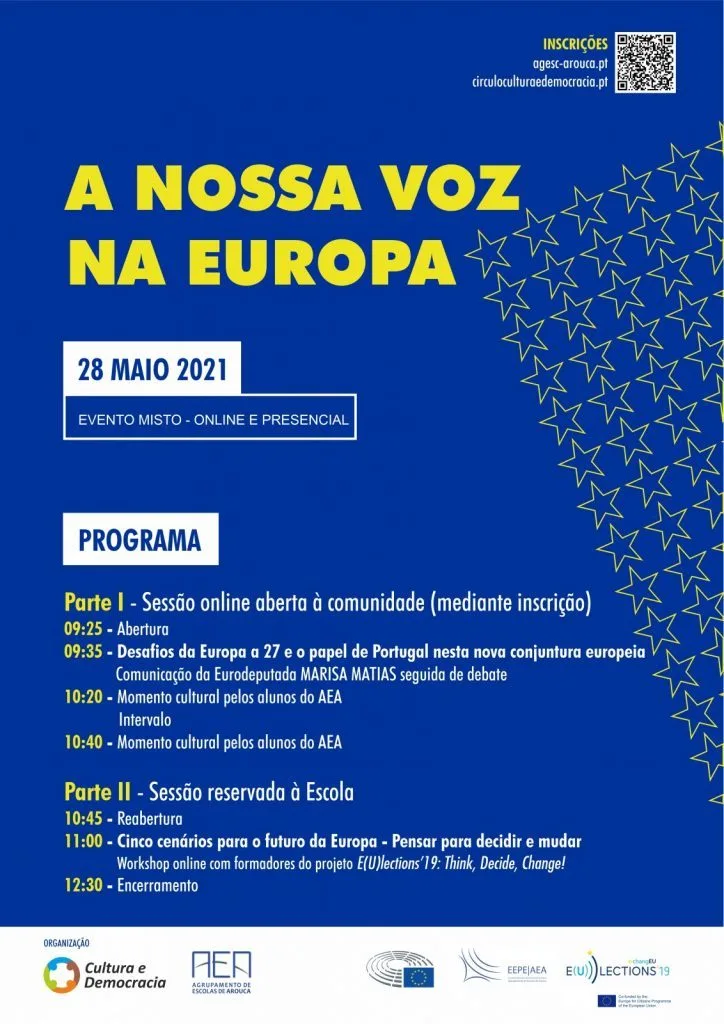
The workshop started with brief presentations by all the entities involved and an overview of the EULECTIONS’19 project and the workshop. We then invited participants to use their mobile phones and share the first word they associate with the EU and test their knowledge of the history of the European project through an online quiz.
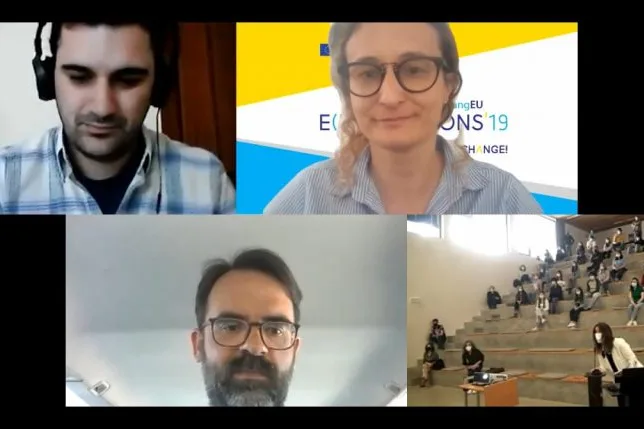
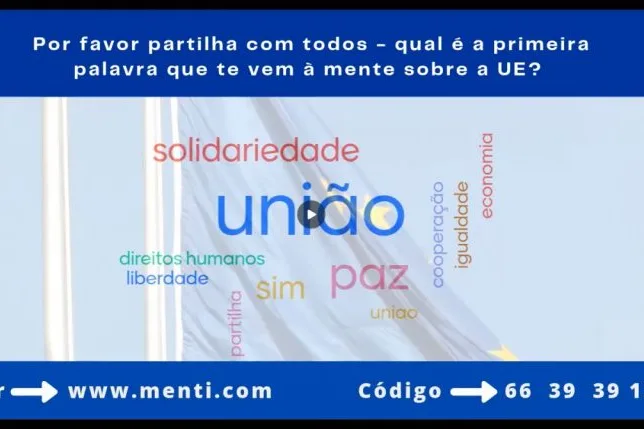
After the word cloud, where “union” took central stage, and a brief overview of EU’s history, we’ve moved to the discussion about its present and future.
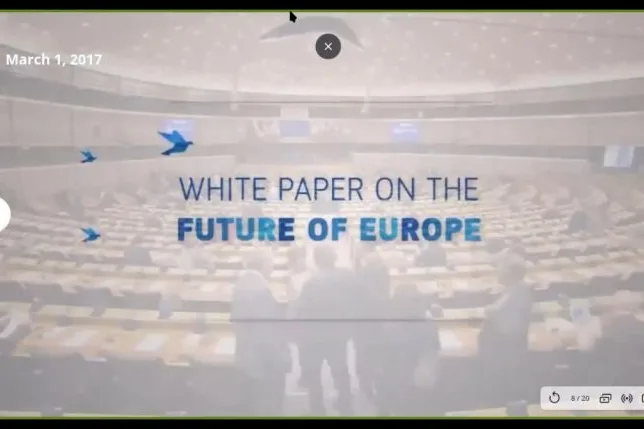
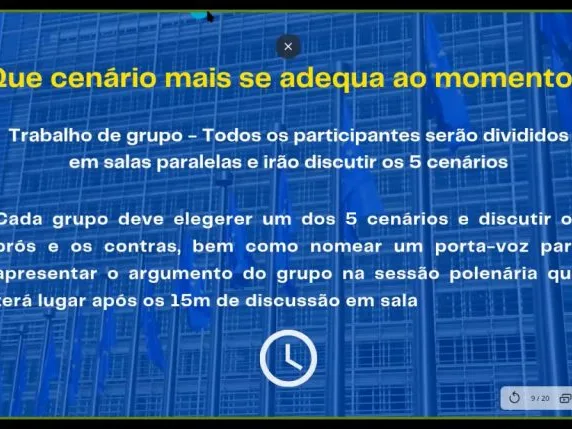
The debate was introduced by a video and a short presentation about the “White Paper on the Future of Europe: Five Scenarios” followed by a group work. Participants were invited to organize in small groups, choose one of the five scenarios and reflect about its pros and cons. After the discussion, a representative from each group shared their main conclusions with the audience.
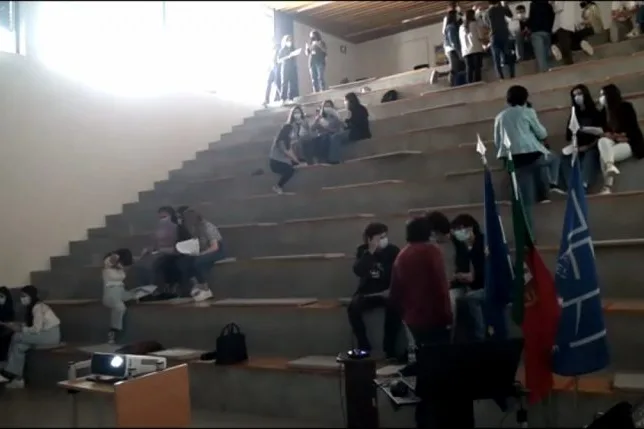
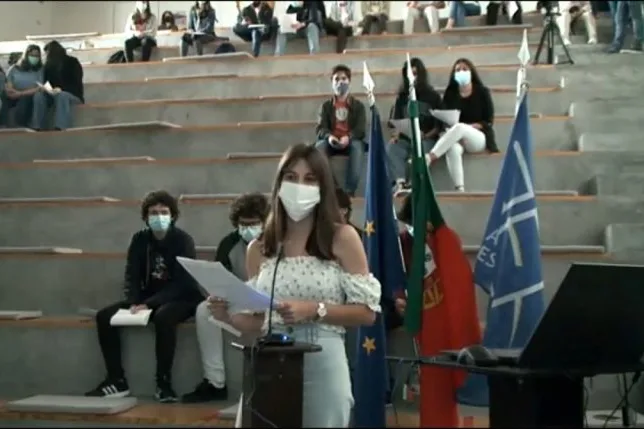
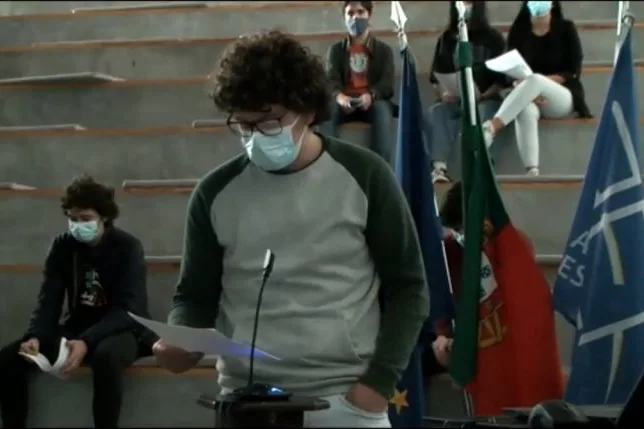
A group of participants considered that scenario 1, carrying on, would be the most suitable as it would ensure financial stability, improve the single market and respond to key strategic challenges in defence, security and the environment. In this scenario some EU challenges would remain unsolved, namely the difficulty to respond to urgent matters and to complex transnational problems due to member states’ diverse perspectives on those matters and some policy areas could be neglected.
Regarding the scenario 2, nothing but the single market, it could contribute to a more efficient market, improving competition and consumer choice but, at the same time, it would put at risk other policy areas that are important to EU citizens and also to the market.
For the participants that reflected on scenario 3, those who want more do more, considered that it could have advantages on policy areas where some states agree that the Union should do more, like employment, research, industrial development, security and defence. In this scenario, the main risk would be the increase of disparities and differences within the Union.
The group of participants that debated scenario 4, doing less more efficiently, concluded that it would be beneficial to achieve more in key policy areas like industry, commerce, security and climate change.
Following the participants’ reflection about the most ambitious scenario, doing much more together, it would transform decision making processes, transferring national decisions to the European level. The Union would also be responsible for citizens rights in various areas. This scenario would have as a key risk, the alienation of national groups that don’t recognize EU’s legitimacy or that don’t agree with increasing EU institutions’ powers.
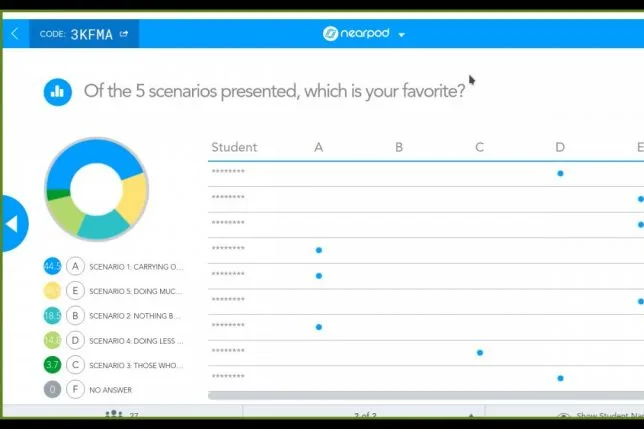
After the collective reflection, we’ve invited the participants to vote on their individual preferred scenario for the future of Europe.
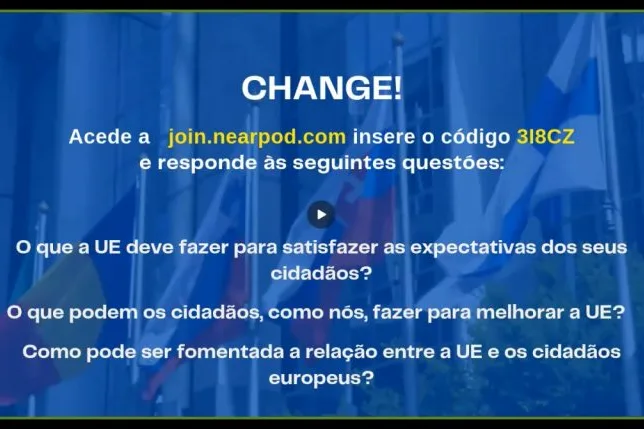
Following the debate about the scenarios for the future of the EU, the session was focused on ways to improve the relationship between European institutions and European Citizens. We’ve presented 3 questions to participants and invited them to brainstorm on 1) What can the Eu do to respond to its citizens’ needs? 2) What can citizens do to improve the EU? 3) How can we improve the relationship between the EU and European citizens? The suggestions presented were mainly to find ways to improve the union and cooperation between member states, listen to citizens’ perspectives and understand their real needs, provide more information about the Parliament’s discussions, increase opportunities for cooperation with citizens in an active and productive way.
Following the main discussions, we’ve shared with the participants two key EU initiatives through which they can take part in the shaping of the European project, its present and future, the Conference on the Future of Europe and the Citizens’ Initiative. Participants were also invited to keep learning about the EU and citizens’ participation through the ChangEU Webcourse.
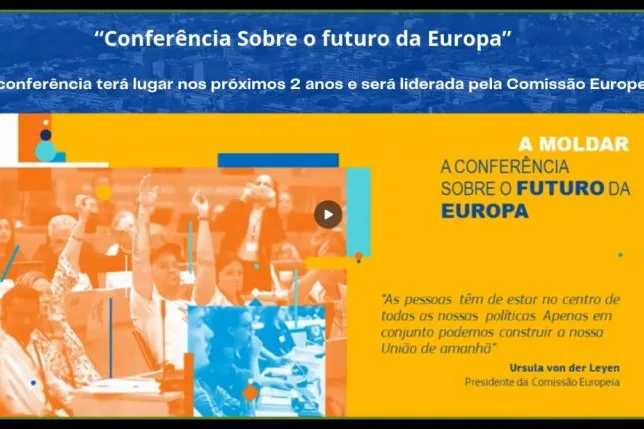
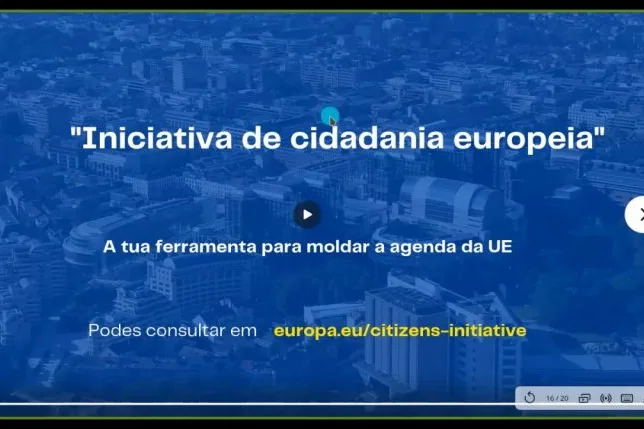
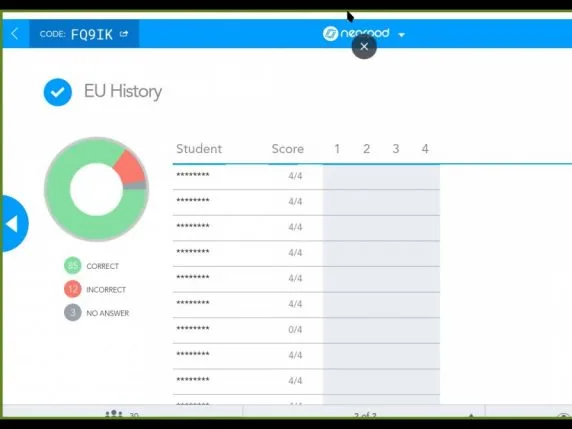
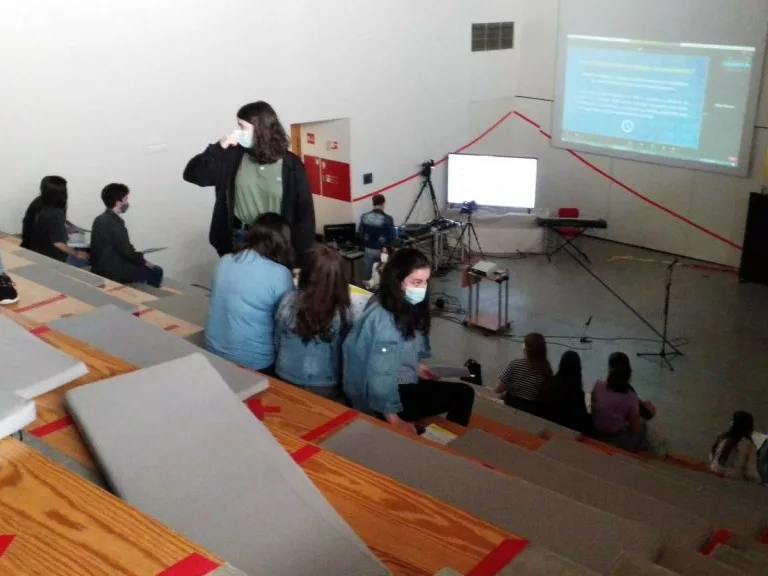
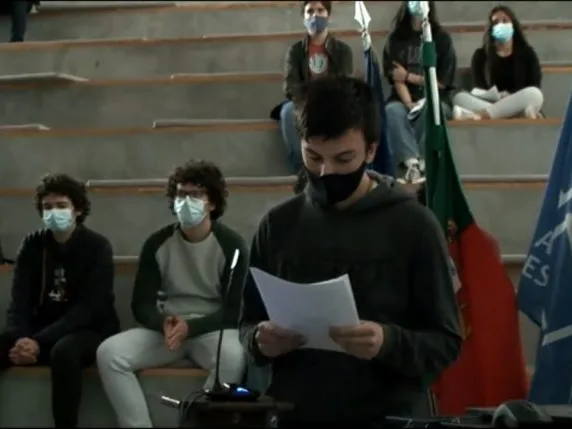
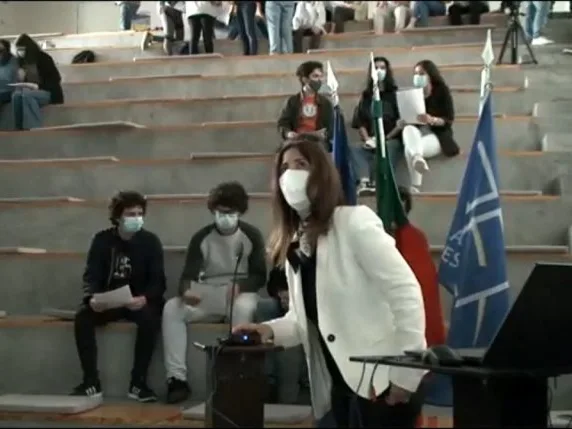
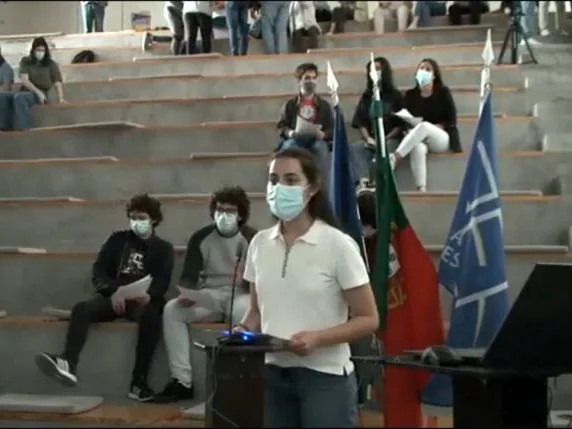
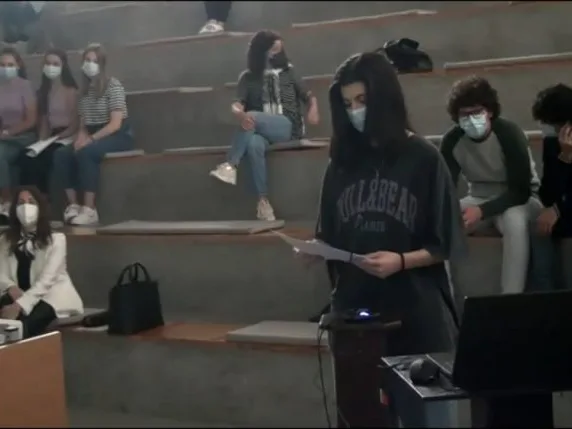
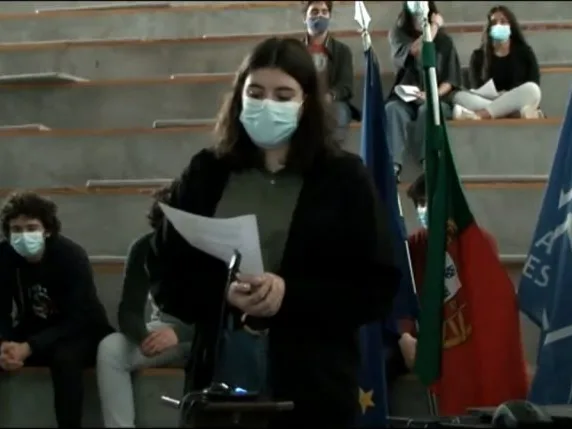
Watch the video of the online roadshow in Portugal. It includes a summary of the different activities that have been carried out over the past year in an online or hybrid format in Lisbon, Azores, Coimbra, Arouca. It also shows the dissemination event promoted with the University of Extremadura, Spain.
You can watch other EULECTIONS’19 videos on Youtube to know more about the project’s activities in Portugal, Italy and the Netherlands.